
 Call us now:


Choosing a loyalty scheme for pokies is less about flashy sign-up bonuses and more about how points translate into real value on the floor. Having opened half a dozen properties across Asia-Pacific, I’ve seen programs that reward high-volume play and others that quietly punish casual sessions. The right fit depends on your pace, your preferred games, and whether the operator’s rewards ladder actually reaches down to everyday punters.
What loyalty tiers actually mean for pokies players
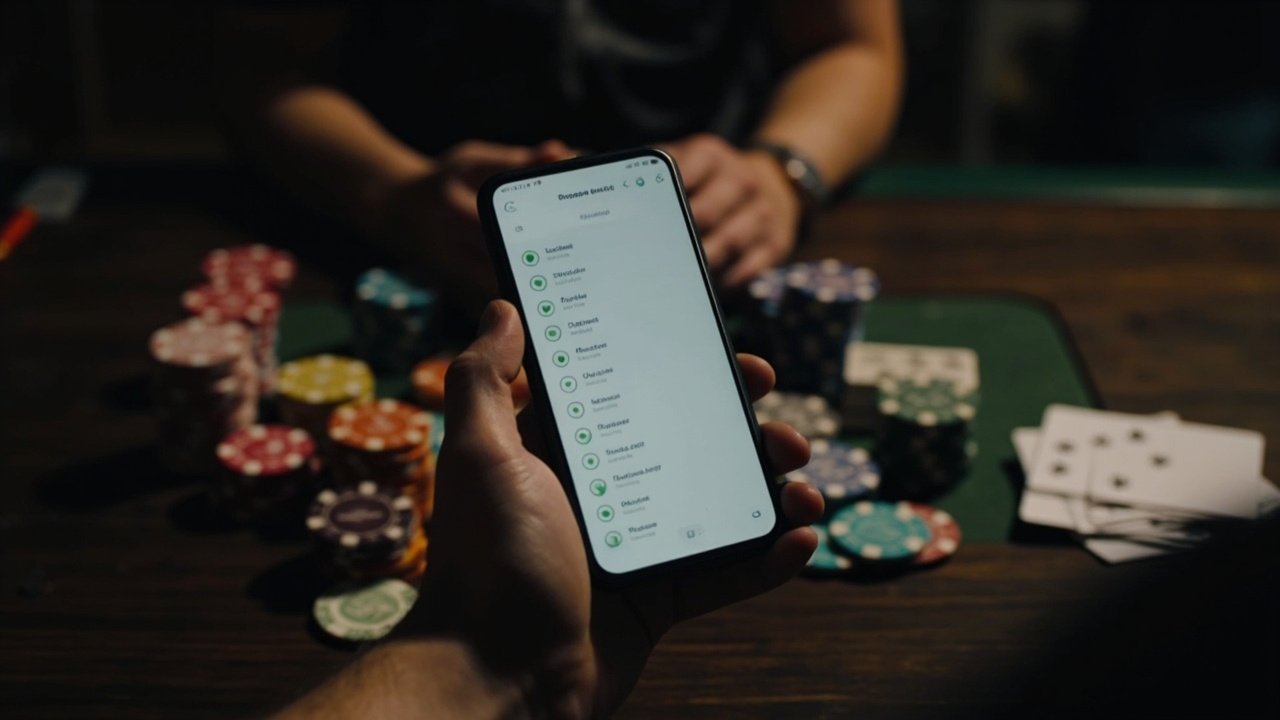
A tiered rewards structure sounds straightforward until you read the play-through conditions attached to each rung. On the properties I’ve managed, the mid-tier usually offers the best balance: enough comps to matter, without the pressure to chase higher status. Lower tiers often accumulate points too slowly to justify the time spent, while top tiers can demand volumes that casual players simply never hit. When you’re weighing casino loyalty programs for pokies, the first question is whether the ladder starts low enough to reward a regular arvo session rather than only the full-timers. Some operators tie points to total wager rather than net loss, which changes the maths considerably. Others weight certain game types more heavily, so a pokies session might earn differently from a table game. That’s where local knowledge matters – Darwin venues often run seasonal point multipliers during the dry season when the crowds thin out, and a well-timed promotion can shift a mediocre ladder into something worth staying on. The trick is to check whether the tier benefits are locked behind rigid thresholds or whether they flex with your actual play patterns.
How to read the fine print before you commit
The real test of any rewards scheme sits in the terms you skim past. I’ve sat across from operators who proudly described a generous points rate, then quietly capped redemptions at a ceiling that made the whole thing feel decorative. When you’re comparing casino loyalty programs for pokies, look for three things first: how points accrue, how quickly they expire, and what they actually buy you. Some schemes let you convert points into free spins on specific titles, while others restrict you to dining credits or show tickets that don’t suit a quiet night at the machines. A fair program will spell out the conversion rate up front and let you see a running tally in your account rather than burying it behind a vague rewards balance.
Interface and everyday usability matter more than most players admit. If the loyalty dashboard is buried under three menus or the language switches awkwardly between currencies, you’re less likely to track your progress accurately. I’ve watched punters lose track of expiring points simply because the app refreshed in a currency they weren’t used to, or the search function couldn’t find the pokies they actually played. A clean, locally tuned interface – Australian spelling, clear AUD balances, a straightforward search that surfaces your favourites – makes the difference between a scheme you use and one you forget. If you want to see how a modern rewards layout can keep things readable, you can play vegas hero on a platform that keeps the dashboard front and centre.
The mechanics of the games themselves also shape how loyalty points feel in practice. Hold and spin features lock symbols while respinning the rest, which means a single session can swing wildly in session length and wager volume. That volatility affects how fast you move through a points ladder, so a program that rewards steady play rather than big swings tends to suit pokies players better. I’ve seen venues where the loyalty calculator treated every spin equally, then wondered why casual players drifted away once they realised the top tiers were built around high-variance sessions. play vegas hero
| Feature to check | What good looks like | What to watch for |
|---|---|---|
| Points accrual basis | Clearly tied to total wager or active time | Hidden caps or vague “rewardable play” wording |
| Tier thresholds | Reachable on a regular weekly session | Top tiers demanding unsustainable volume |
| Redemption options | Free spins, cashback, or venue credits you’ll actually use | Dining or event perks that don’t match your habits |
| Balance visibility | Live tally in your account, easy to find | Points hidden behind a generic rewards tab |
| Currency and language | AUD balances, local spelling, familiar terms | Mixed currencies or clunky localisation |
Accrual and how fast points build
Points that build too slowly turn a rewards scheme into background noise. In my experience running pre-openings, the operators who kept casual players engaged set a points rate that felt noticeable within a few sessions rather than a month. If the program ties accrual to total wager, a steady pokies session over a couple of hours should show a meaningful move up the ladder. If it ties to net outcome instead, the swings can feel unfair when a bad run wipes out the progress you’d made. The fairest schemes I’ve seen give you a predictable accrual rate and let you check it without digging through three pages of terms.
Redemption value and what points actually buy
A point is only useful if you can spend it on something you’d choose anyway. Some programs push dining and entertainment credits that suit a night out with mates but do little for a player who just wants to keep playing pokies. Others let you convert points into free spins on selected titles, which is more aligned with how pokies players actually think about rewards. The key is whether the redemption menu is broad enough to matter and whether the conversion rate is fair. A program that requires an unreasonable number of points for a modest reward is effectively asking you to subsidise your own comps.
Expiry, visibility, and how easy it is to track
Expiry rules are where many schemes quietly lose trust. Points that vanish after a short window punish anyone who plays irregularly, which is exactly the crowd most loyalty programs should be trying to keep. I’ve always favoured programs that give you a clear runway and a visible balance, because players who can see their progress are more likely to return. If the dashboard is hard to find, the language switches unpredictably, or the search function can’t surface the pokies you care about, the whole scheme starts to feel like an afterthought. A well-built interface keeps your tally in plain sight and makes redemption a few taps away.
Who these programs actually suit
Casino loyalty programs for pokies tend to fit two kinds of players best: the regular who drops in a few times a week and the steady session player who treats a night on the machines as a planned outing. High-rollers chasing top-tier status often find the ladder too slow unless the venue runs a targeted promotion, while casual visitors who play once a month rarely accumulate enough to matter. In a market like Darwin, where the pace shifts with the season and the crowds thin out in the wet, a program with flexible accrual and visible balances tends to work better than one built around constant high-volume play. I’ve always reckoned the right scheme should feel like a fair return on your time, not a pressure to play more than you want. If the terms are clear, the redemption menu suits your habits, and the interface keeps your balance easy to find, it’s probably worth sticking with. If you’re sitting in an arvo session and the points barely move, you’ve defo found the wrong fit.
For players who like structure, a program that shows accrual in real time and lets you redeem without jumping through hoops is the one to pick. For those who prefer a more relaxed pace, a scheme with a lower entry threshold and sensible expiry windows makes more sense. Either way, the program should match how you actually play, not the other way around.
A good loyalty program for pokies should reward the way you play, not the way the operator wishes you would. Check the accrual rate, the redemption menu, and how visible your balance is before you commit your time. If the terms are clear and the rewards match your habits, you’ve found a scheme worth staying on. If they’re vague or stacked toward high-volume tiers you’ll never reach, no worries – there are better fits out there, and it’s worth looking for one that treats a regular session as something worth rewarding.