
 Call us now:


Few table games reward patience the way let it ride poker rules do, especially when you’re settling in for a quiet arvo at a Cairns venue. The pace is deliberate, the decisions are limited, and the payout structure stays visible on the felt rather than buried in a lobby menu. We measured the experience against what locals actually want from a live or digital table session: clear hand values, sensible bet sizing, and a rhythm that doesn’t rush you into a second round before you’ve finished the first. The focus here is on how the rules shape the session, not on chasing a long list of side features. Where the lobby and registration flow matter, we note them only because they affect whether you can actually sit down and play without friction.
The focus behind the rules
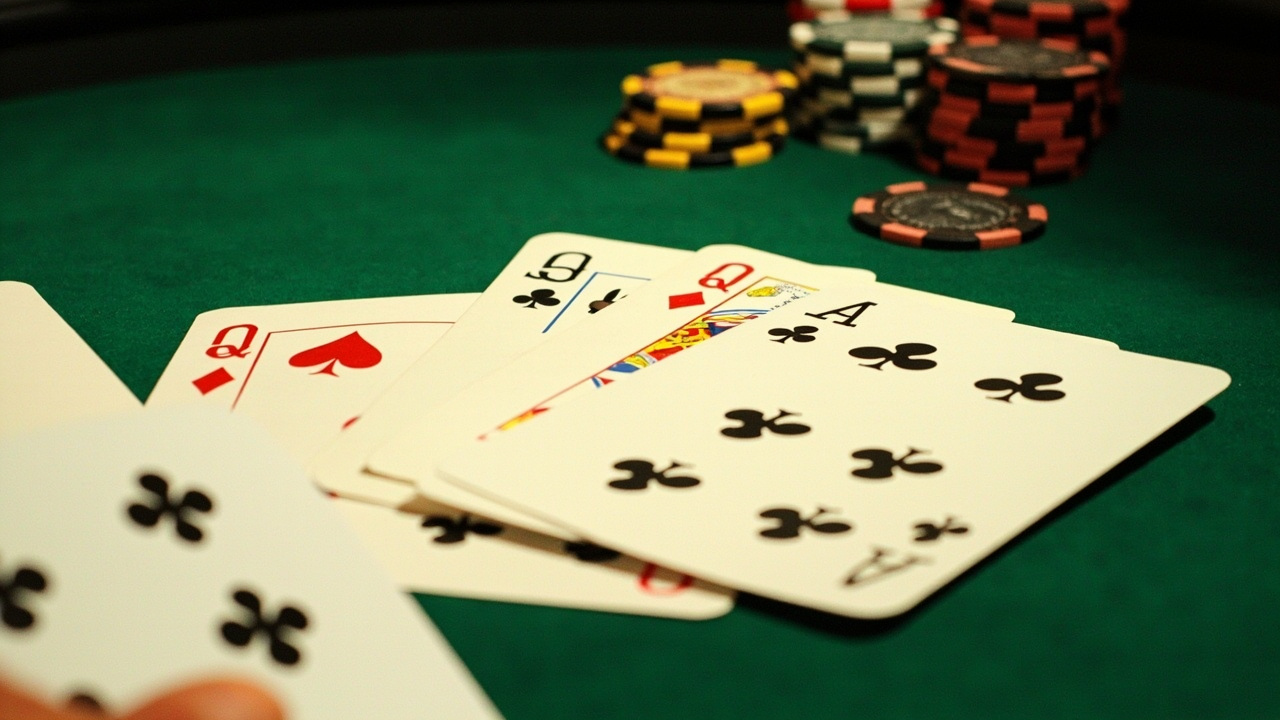
Let it ride poker rules are built around a simpler decision tree than most table games, and that simplicity is the whole point. You place three equal bets at the start, receive a seven-card layout split into two five-card hands, and decide whether to hold or pull back on the first two, with the third card reveal locking the outcome. The dealer never competes against you; the payout comes from the paytable on the layout, which means the priority is reading hand strength quickly and managing your bankroll across the three bets rather than outplaying an opponent. That structure suits players who want a steady, repeatable session instead of a fast-paced showdown.
The lobby that surrounds the table matters because a cluttered menu defeats the point of a rules-first game. A clean lobby groups table limits, paytable variants, and stake ranges in a way you can scan in a minute, with search that actually filters by bet size and not just by provider name. Discovery should surface the right table before you commit, not bury it under a wall of slots and live feeds. When the lobby is organised around stake and rule variant rather than volume, you spend less time hunting and more time playing the hand you actually wanted. luckyelfnodeposit.com
We compared that expectation to how a venue operator like Dylan Cooper, Affiliate Partnerships Director, Blue Mountains Interactive, frames table discovery for Australian traffic. His read is that players drop off when the lobby asks them to work before they’ve even placed a bet, and that a rules-first table needs a lobby that respects the decision pace. That comparison matters because let it ride poker rules only land well when the surrounding setup doesn’t fight the pace of the hand.
How the table and lobby work together
Table layout and hand flow
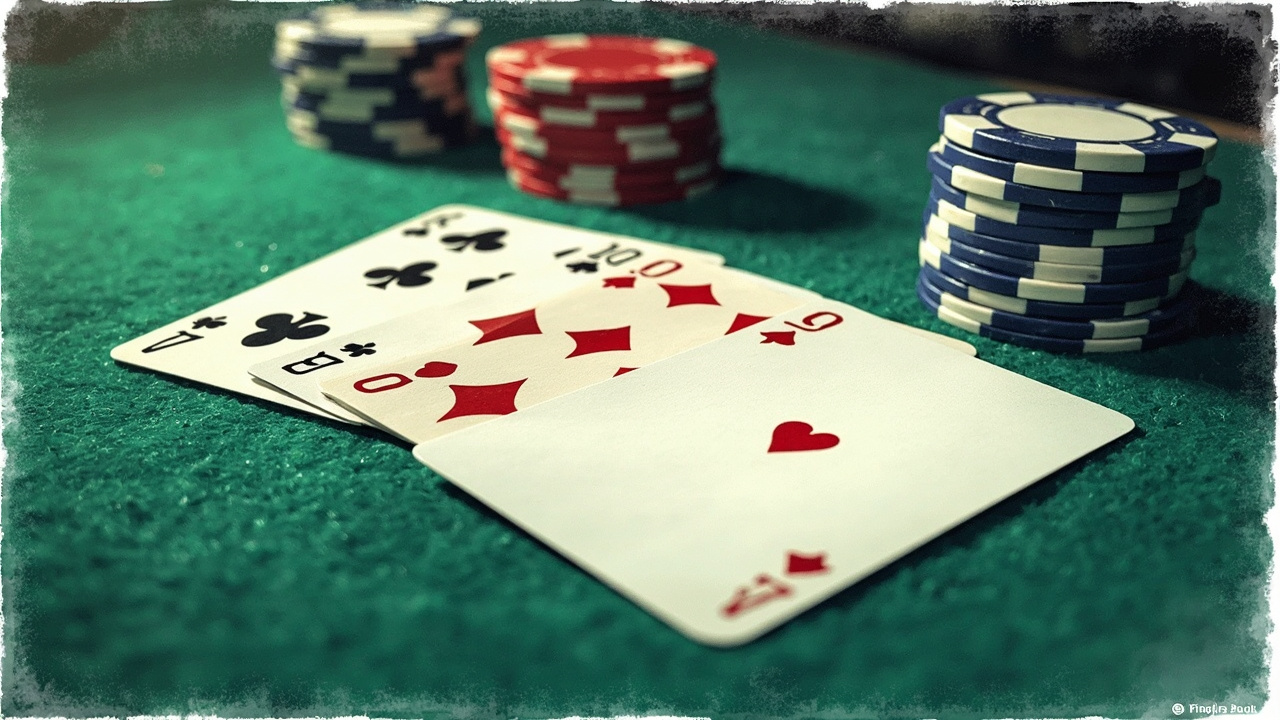
The table itself does most of the talking once you’re seated. Three betting spots sit in front of you, the seven-card layout is dealt face down in two rows, and the paytable is printed where you can read it without leaning in. The first decision point comes after the initial deal, when you choose whether to hold or forfeit the first two cards; the second decision comes after the next card is turned, and the final reveal settles the hand against the printed payouts. The rhythm is fixed, which is a genuine advantage if you like sessions that move at a predictable clip rather than a dealer-led shuffle that changes tempo every hand.
Bet sizing should match that fixed rhythm. A table that offers a sensible low stake alongside a mid-range option keeps the game accessible without flattening the payout structure, and the paytable should be readable at a glance so you’re not second-guessing whether a flush pays out before you pull back. The rule set stays consistent across seats, which means you’re not relearning the hand values every time the dealer changes or the lobby swaps variants. That consistency is what makes the game work for a longer arvo session instead of a rushed spin through the lounge.
Lobby organisation and discovery
A lobby that supports the rules needs to surface the right table before you commit, and that means search that filters by stake, variant, and table limit rather than dumping every option into one feed. Game mix should be visible without scrolling through a wall of slots, and table or live content should sit in its own section so you’re not hunting for the poker table behind a carousel of promotions. Provider labels help when you want to know whether a variant is the standard paytable or a house-specific tweak, and a clean lobby keeps those labels useful instead of decorative.
Discovery is where the rules-first approach either holds up or falls apart. If the lobby is organised around bet size and rule variant, you land on a table that matches the session you want instead of clicking through three menus to find a sensible stake. If it’s organised around volume, you end up comparing unrelated games and losing the point of the rules altogether. The difference is small on paper but noticeable once you’re actually seated and trying to settle into a hand.
| Feature | What to look for | Why it matters |
|---|---|---|
| Table limits | Low and mid stakes visible at a glance | Matches bet sizing to the fixed hand rhythm |
| Paytable clarity | Printed on the layout, readable without leaning | Removes guesswork before the first decision point |
| Lobby search | Filters by stake, variant, and table limit | Gets you to the right table without menu hunting |
| Provider labels | Clear variant tags, not just logo clutter | Shows whether you’re on the standard paytable |
| Game mix layout | Table and live content in their own section | Keeps the poker table visible instead of buried |
Linking the rules to player needs
The rules only matter if the setup around them lets you actually use them. Registration should be quick enough that it doesn’t become the first hurdle before you’ve even seen a table, and mobile access should keep the layout and paytable readable without shrinking everything into a cramped screen. Payments and currencies need to match the stake ranges on the table so you’re not converting in your head mid-session, and support should be reachable when a hand settles in a way you want to check against the printed payouts. Loyalty, if it exists, should reward steady table play rather than pushing you toward a different game mix that doesn’t fit the rules-first pace.
That’s where the comparison to a professional operator’s read on Australian traffic comes back in. Dylan Cooper, Affiliate Partnerships Director, Blue Mountains Interactive, has pointed out that table players stick around when the surrounding flow respects the hand pace instead of interrupting it, and that’s the same judgement call we’re making here. Let it ride poker rules work best when the registration, lobby, and payment setup all stay out of the way long enough for the hand to do its own work. The game doesn’t need a crowded feature list; it needs a clean path from seat to payout.
If you’ve played a session where the rules felt clear but the lobby got in the way, or the other way around, what slowed you down most – the stake range, the search, or the hand flow itself?